
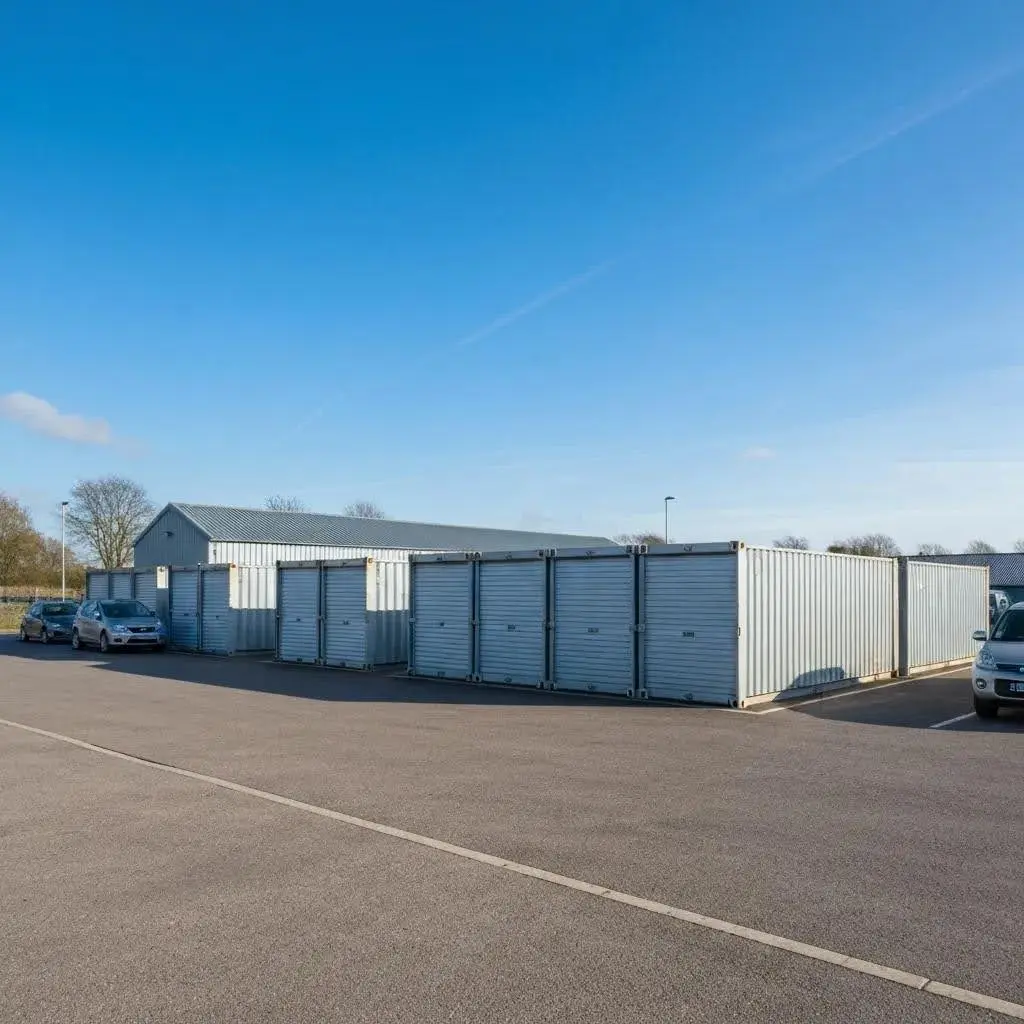
Choosing between container self storage and traditional self storage usually comes down to four practical factors: access, security, protection from the elements and cost. This guide explains what each option offers, why those differences matter for house moves and business use, and how to match storage to typical Leicester scenarios.
You’ll get plain comparisons, drive-up convenience versus indoor climate control, a short decision checklist, local cost drivers and two quick tables to scan. We use terms like drive-up container storage, indoor corridor units and climate-controlled options so you can compare like-for-like choices across Leicestershire.
How Do Container And Traditional Self Storage Differ?
Container self-storage uses standalone metal units outdoors with drive-up access; traditional self-storage is usually a purpose-built building with corridors, lifts, and optional climate control. Containers favour vehicle access and simple padlocks; indoor units prioritise environmental protection and on-site security.
Your choice depends on how sensitive your items are, how often you’ll visit the unit, and the travel time from home or site. Below is a quick, scannable comparison that highlights the main contrasts.
Different storage models suit different needs; the table below summarises the core attributes to help you decide.
| Storage Type | Typical Access | Environment | Best Use Case |
|---|---|---|---|
| Container Storage | Drive‑up, outdoor | Subject to weather changes | Bulky, durable items; short‑term staging |
| Traditional Indoor Units | Indoor corridor or lift access | Indoor, often climate‑controlled | Fragile or long‑term household goods |
| Climate‑Controlled Units | Indoor with regulated access | Stable temperature and humidity | Antiques, papers, electronics |
Access And Location Differences Between Container And Traditional Storage
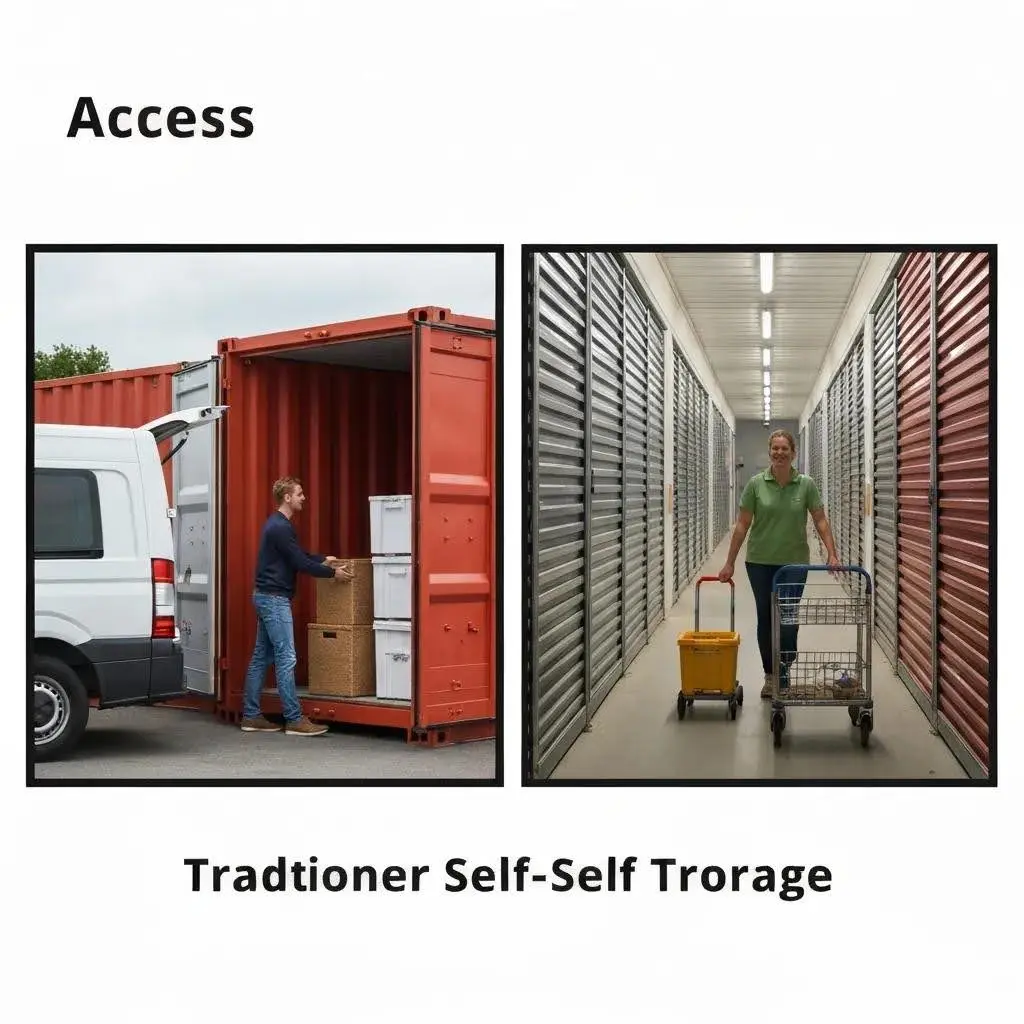
Container sites give you direct vehicle access, so loading and unloading are faster, you can often park a van right next to your unit. Traditional storage is usually inside a building with corridor access and trolleys, which can add handling time but keep belongings indoors.
In Leicester, corridor units suit city flats where security and climate control matter; out-of-town container parks work well for tradespeople, bulky household moves or temporary staging. Think about travel time and whether you’ll visit regularly or only once.
Security Features To Expect From Each Storage Type

Indoor facilities commonly provide CCTV, gated entry, coded access and on-site staff during opening hours, giving a higher baseline for storing valuable items. Container sites usually rely on perimeter fencing, site CCTV and individual padlocks or alarms; security varies by operator.
Always ask about recorded surveillance, gate hours and recommended insurance. Knowing the security setup will help you decide whether high-value or fragile items belong in a container or an indoor unit.
Pros And Cons: Container Self Storage Vs Traditional Self Storage
Here are the practical advantages and drawbacks so you can weigh trade‑offs for your possessions and use case.
Container storage delivers clear operational benefits but has limitations:
- Advantages of Container Storage: Drive-up loading, park beside your unit and minimise handling; lower cost, basic outdoor units usually have lower monthly rates; good for bulky items, ideal for building materials, furniture and stock overflow.
Advantages And Drawbacks Of Container Self Storage
Container storage reduces handling time, you park, load and lock with minimal transfers. That saves money and effort, which is why tradespeople and short-term movers use containers.
The trade-off is environmental exposure: metal units experience temperature swings and humidity that can harm delicate items. For antiques, paper records or electronics, use protective packing and desiccant packs. If quick access and lower cost are your priorities, containers are a sensible choice.
Advantages And Drawbacks Of Traditional Self Storage
Indoor units shield belongings from weather and often offer climate control to protect sensitive materials, reducing long‑term deterioration for antiques and documents. Facilities usually provide stronger security and on‑site staff to help.
The downside is extra handling, moving items along corridors or using lifts can take more time and sometimes increase labour costs. For long‑term household storage or anything needing stable humidity, the extra protection is normally worth the premium.
How Do Costs Compare Between Container And Traditional Self Storage In Leicester?
Generally, container storage shows a lower headline price because units are basic and outdoors; traditional indoor or climate-controlled units charge more for added protection and security. Prices depend on unit size, location, climate control, security and rental length.
Local Leicestershire factors, site proximity, demand and facility amenities, also affect monthly rates. The table below matches common price drivers to their typical impact so you can see what might raise your quote.
Knowing the main price drivers helps you ask the right questions when you request a quote or survey.
| Storage Type | Price Driver | Typical Impact |
|---|---|---|
| Traditional Storage | Climate control | Higher monthly rate |
| Container Storage | Outdoor placement | Lower base rent |
| All types | Location and access | Varies with proximity to the city centre |
Because of these variables, an on‑site assessment is often the best way to compare like‑for‑like costs.
Stokes Removals & Storage offers flexible, local pricing and invites Leicester residents to book a free, no-obligation quote and home survey. A short visit lets our team match unit size to your actual volume, check vehicle access and recommend whether drive-up or indoor storage is the most cost-effective option.
Factors That Influence Price Differences Between Storage Types
Key factors include unit size, climate control, security level, location, rental length and insurance requirements. Smaller urban units near Leicester city centre tend to cost more than out‑of‑town alternatives.
Climate control adds a premium but protects high‑value items. Longer contracts often bring discounts, whereas short‑term rentals or premium access hours increase the effective daily cost.
Which Storage Option Should You Choose For Your Needs?
Match the storage type to what you’re storing, how often you’ll need access and your budget. Use the checklist below to map common scenarios to a recommended approach and make a clear decision.
Use‑case checklist for choosing storage:
- Fragile or climate‑sensitive items: Pick traditional indoor or climate‑controlled units for steady humidity and temperature.
- Bulky, hardwearing items or trade stock: Choose container storage for drive‑up convenience and fast loading.
- Frequent access or short‑term staging: Containers save time and money when you need regular vehicle access.
This quick checklist helps you match needs to storage type and prepare packing accordingly.
Stokes Removals & Storage can advise on the best match for your inventory, provide professional packing and coordinate removals with storage, all in one service. Book a free home survey to get a tailored recommendation and accurate price for your Leicester move or storage need. Our experienced team is dedicated to ensuring that your transition is smooth and efficient, whether it’s for residential or commercial purposes. Additionally, we offer seamless office moving tips to help businesses plan their relocations with minimal disruption. Whatever your requirements, we are here to support you every step of the way. Our comprehensive services also include office relocation preparation tips to ensure your business is ready for the move ahead of time. We understand that planning is key to a successful transition, and our experts are here to provide guidance on organizing your workspace efficiently. Trust us to handle the logistics so you can focus on your core operations without unnecessary interruptions.
When Container Self Storage Is The Right Choice
Container storage works well for bulky furniture during renovations, building materials for trades or short-term move staging where quick vehicle access cuts down on handling. The drive-up access and simple locking system suit frequent in-and-out use and lower handling costs. Additionally, container storage can be a practical solution for helping families figure out how to support seniors during moves, as it allows for a seamless transition without the pressure of immediate sorting or unpacking. By providing a secure space for their belongings, seniors can take their time deciding what to keep or donate. This approach not only reduces stress but also helps maintain their independence during a significant life change.
For example, if you’re decluttering a Leicester house ahead of sale and need temporary space between viewings, a container can be the most convenient, cost-effective option.
When Traditional Self Storage Is The Better Option
Choose traditional indoor storage when items are fragile, valuable or need stable conditions, antiques, archives and electronics benefit from indoor protection and climate control.
Packing tips: use breathable covers, store boxes off the floor on wooden pallets, and include silica gel packs for moisture‑sensitive goods. Also check insurance options with the provider. For long‑term storage, the extra monthly cost often pays off by avoiding damage and replacement expenses.
Frequently Asked Questions
What Items Are Best Suited For Container Self Storage?
Container storage is great for bulky, hardwearing items, furniture, tools, building materials and stock overflow. If your items aren’t sensitive to temperature or humidity, containers are a cost‑effective choice. For delicate or valuable possessions, consider an indoor or climate‑controlled unit instead.
How Can I Ensure The Safety Of My Belongings In Container Storage?
Choose a facility with good site security: perimeter fencing, CCTV and controlled gates. Use a high-quality padlock or alarm on your unit and check whether the site offers recorded surveillance. Ask about insurance options, many providers recommend or require cover for stored goods. Good packing and secure stacking inside the container also reduce risk.
Can I Access My Container Storage Unit At Any Time?
Access depends on the facility’s opening hours. Many container sites have set access times, while some offer 24/7 access. Confirm gate hours and any booking or access rules before you sign. If you need frequent, late or early access, choose a facility whose hours match your routine.
What Should I Consider When Packing Items For Container Storage?
Pack with the environment in mind: use sturdy boxes, label them clearly and stack heavier items on the bottom. For moisture‑sensitive goods, add desiccant packs and keep items off the floor on pallets. Wrap fragile items and avoid storing anything that could leak or attract pests. Proper packing maximises space and protects your things. Additionally, consider creating a moving day essentials checklist to ensure you have all necessary supplies at hand, such as tape, scissors, and markers. This will help streamline your packing process and keep even the smallest items organized. Remember to set aside important documents and valuables for easy access on the day of your move. Additionally, consider researching local moving regulations and guidelines to avoid any unexpected complications. For added peace of mind, follow these tips for securing your property during the moving process: lock all doors and windows, document valuable items with photos, and ensure that hired moving professionals are reputable and insured. Taking these precautions will help protect your belongings and minimize the risk of loss or damage.
Choosing the Right Self Storage in Leicester
Container and traditional self storage each have their place in Leicester, containers suit bulky, hardwearing items and frequent, drive-up access at a lower cost, while indoor and climate-controlled units are worth the extra money for fragile, valuable or long-term storage.
Think about what you’re storing, how often you’ll visit and how much protection you need, then choose the option that best balances convenience, security and budget.