
Moving puts furniture at risk from scratches, knocks, and moisture, but most damage is avoidable with the right preparation and handling.
Today, this guide gives straightforward, practical techniques for protecting your furniture: which materials work best, step-by-step wrapping methods for wood, upholstery, and glass, and sensible van-loading tips to stop items from shifting in transit.
You’ll learn when to disassemble large pieces, how to layer protection for fragile items, and when it’s worth hiring professional packers or storage to reduce stress and repair bills. Read on for clear how-to steps, simple comparison tables of supplies, and handy checklists you can use on moving day.
What Are the Best Materials to Protect Furniture When Moving?
Protective materials act as barriers: they absorb shock, stop rubbing, and keep out moisture. Choose the right material based on how fragile the item is and its shape.
Moving blankets give wide-area padding for big surfaces; bubble wrap cushions delicate edges; plastic wrap holds covers in place and keeps dirt off; and cardboard or corner protectors add structural strength to edges.
Layering, for example, cardboard for structure, bubble wrap for cushion, then a blanket for surface protection, reduces both impact and scuffs. The table below summarises the core materials and their best uses, so you can pack with confidence.
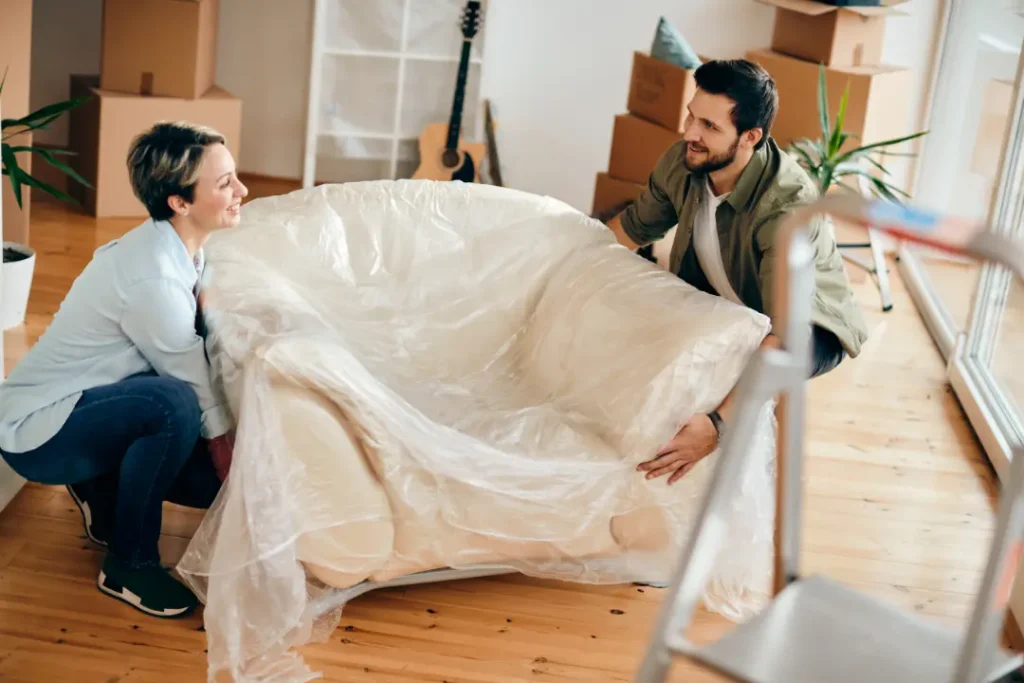
Quick comparison of moving materials by use and strength.
| Material | Best for | Key advantage |
|---|---|---|
| Moving blanket | Large wooden pieces and sofas | Durable padding that prevents surface scratches |
| Bubble wrap | Glass, ceramics, mirrors | High cushioning for fragile curves and edges |
| Plastic wrap | Upholstery, drawers, grouped parts | Keeps dust out and holds covers in place |
| Cardboard sheets | Tabletops, cabinet faces | Gives rigid protection against direct knocks |
| Corner protectors | Tables, frames | Shields vulnerable edges from impact |
Use this quick guide to match materials to items and plan layered protection for moving day.
How Moving Blankets and Furniture Covers Prevent Damage
Moving blankets and covers spread force across a wider area and reduce friction between surfaces during handling. Thick blankets absorb impacts and stop dents or scratches on wood; water‑resistant covers protect upholstery from dirt and light moisture.
Wrap items fully, secure blankets with ties or tape (never stick tape directly to the furniture finish), and add corner protectors where edges are exposed. These simple steps create a protective buffer that makes lifting and loading safer for your belongings and the crew.
Why Bubble Wrap, Plastic Wrap, and Cardboard Work for Fragile Items
Bubble wrap and cardboard work together: cardboard provides structure, bubble wrap cushions shock points like glass edges or ceramic curves. For flat, fragile pieces, place cardboard directly against the surface, add multiple layers of bubble wrap, then fit edge protectors before covering with a blanket.
Plastic wrap is useful over blankets to keep upholstery clean, but avoid sealing damp items, as trapped moisture can lead to condensation. Layering by shape and fragility reduces breakage and lowers moisture risk.
How to Wrap and Pack Different Types of Furniture for Moving?
Good wrapping relies on disassembly, clear labelling, and consistent layering. Break the job into short, repeatable steps, so you and any helpers can work quickly and safely.
For wooden furniture, remove legs and hardware, pad joints, then blanket the main body; for upholstered pieces, use a blanket first and plastic wrap over the top to protect the fabric; for glass, use rigid backing, edge protectors, and carry vertically where possible.
The short sequences below give easy, repeatable steps to follow on packing day.
Step‑by‑step sequences for common furniture types.
- Wooden furniture: Remove legs and handles, pad joints with foam or cardboard, wrap the main sections in blankets, and secure the blankets in place.
- Upholstered furniture: Vacuum and dry first, cover with a blanket, then wrap loosely in plastic to keep dirt off while allowing a little airflow.
- Glass and mirrors: Start with cardboard, add bubble wrap and corner guards, label as fragile, and transport upright on an A‑frame where possible.
What Are the Best Techniques to Protect Wooden and Upholstered Furniture?
For wooden pieces, prevent dents and scratches by disassembling where you can, protecting corners, and using blankets to absorb knocks. Secure drawers and doors with tape or straps to stop them from opening, and wrap delicate legs or mouldings in foam or cardboard before blanketing.
For upholstery, focus on dirt and moisture: use breathable covers or blankets, then a loose layer of plastic wrap to keep dust off while avoiding trapped damp. Label screws and fittings so reassembly is quick, and hardware won’t get lost.
How to Safely Wrap Glass and Other Fragile Furniture Items
Wrap glass tabletops, mirrors, and panes with a rigid base layer, cushion layers, and visible edge protection. Place cardboard directly against the glass, add tight bubble wrap, fix corner guards, and clearly mark as fragile.
Transport large panes upright on an A‑frame to reduce flex. Use carrying aids or a team lift for heavy pieces and block items in the van so they cannot slide. These steps reduce point impacts and bending stress that cause cracks or shattering.
How to Secure Furniture for Safe Transit and Removal?
Securing furniture in the vehicle prevents shifting that causes scratches, toppled items, and concentrated impacts. Use a clear loading order and tools such as straps, anchor points, and blocking.
Load heavy, low items first, build stable stacks, and strap tall or long pieces in place; fill gaps with soft goods or blankets to stop movement. The table below compares common securing tools and their typical uses, followed by a short loading‑order checklist to guide van packing.
| Tool | Use | Primary benefit |
|---|---|---|
| Ratchet straps | Anchor large items | Stops forward and backward movement |
| Dollies | Move heavy pieces | Reduces lifting strain and speeds handling |
| Blocks/wedges | Fill gaps | Prevents lateral shifting |
| Blankets | Cushion layers | Protects surfaces from abrasion |
| Edge protectors | Guard corners | Protects vulnerable profiles from knocks |
Using the right combination of tools and soft fillers reduces load shift and surface damage during transport.
Best Practices for Loading and Securing Heavy Furniture in a Moving Van
Start with heavy, low items placed against the van wall to create a stable base; secure each load with straps and block with wedges or soft goods to prevent lateral movement. Use team lifts and dollies to reduce strain and get pieces precisely positioned before anchoring.
Distribute weight evenly along the vehicle’s centreline, put blankets between stacked items to avoid rubbing, and re‑check straps after a short distance to make sure nothing has moved. These practices lower the risk of damage and reduce the chance of injury to handlers.
How Professional Movers Keep Furniture Safe During Transport
Professional teams combine trained handling, suitable vehicle fittings, and routine checks to protect items from pickup to delivery. Crews inspect item condition, apply the right protection, use dollies and straps for secure loading, and re‑check stability en route.
Membership of recognised bodies, insured transport, and a fleet stocked with blankets, ties, and equipment are good signals that a provider follows proper procedures. Skilled handling plus the right tools keep your belongings safer during the move.
When Should You Hire Professional Packing and Removal Services?
Hire moving professionals when items are valuable, awkwardly shaped, likely to suffer in transit, or when time is tight. Professionals bring equipment and experience that help lower risk.
If you need storage, climate protection, or a full packing service that supplies materials and labour, a removal company simplifies logistics and provides insurance cover for peace of mind. Stokes Removals & Storage is a family-run,
BAR-member company based in Leicester offering full, partial, and self-pack options, insured transport, and a fleet fitted with blankets, ties, and dollies. We also provide free no-obligation quotes and home surveys by phone. Use the checklist below to decide whether to call in experts.
- High‑value or antique furniture: Professionals provide careful packing, specialist handling, and lower damage risk.
- Long‑distance moves or storage needs: Insured transport and prepared storage reduce exposure to transit and moisture.
- Limited time or manpower: Trained crews complete complex packing and loading faster and more safely.
Hiring a trained team often cuts stress, shortens move time, and reduces the chance of expensive repairs. For enquiries, contact Stokes Removals & Storage to arrange a quote or home survey.
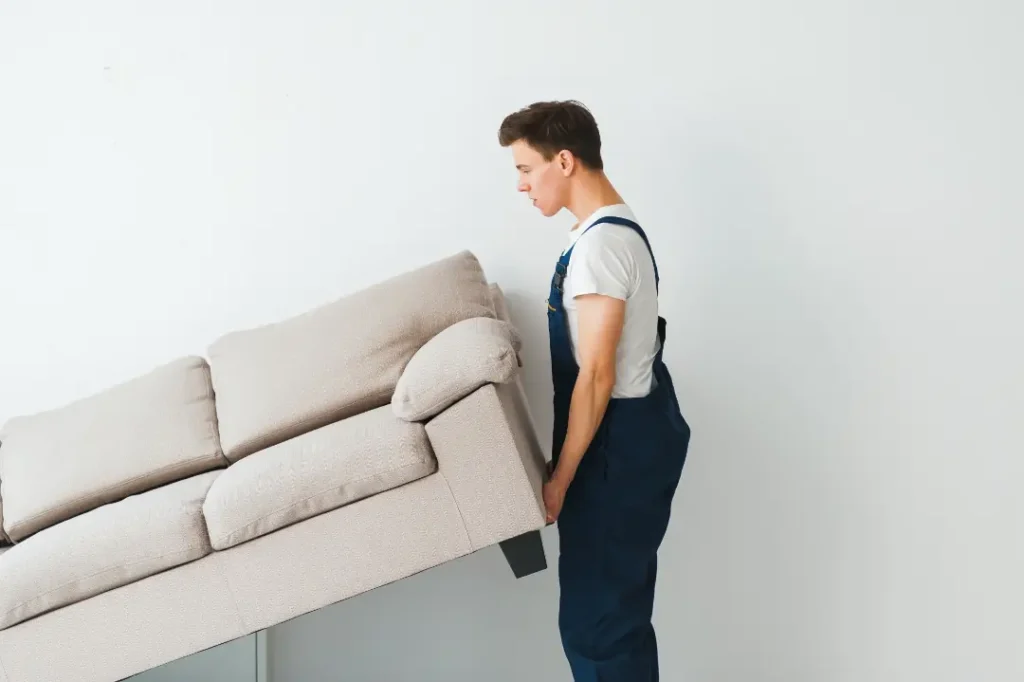
Benefits of Using Stokes Removals’ Expert Packing Services
Using an experienced removal firm brings trained staff, supplied materials, and insurance cover, a combination that lowers damage rates and speeds up the move. Stokes
Removals & Storage offers flexible packing choices (full, partial, or self-pack), a fleet equipped with blankets, ties, and dollies, plus a free no-obligation quote and home survey to plan materials and labour.
Insured handling gives financial protection if something goes wrong, which usually means fewer damaged items and a more predictable moving day.
How Professional Movers Reduce Stress and Protect Furniture
Professionals manage scheduling, packing, and vehicle loading and securing, so you don’t have to. Skilled crews follow standard checks, use the right padding and anchoring, and document item conditions before transport to provide accountability.
Insurance and industry membership give extra reassurance, while experienced teams speed up reassembly at the destination. The result is less stress, fewer repairs, and a smoother moving experience overall.
Frequently Asked Questions
What Should I Consider When Choosing a Moving Company?
Check reputation, experience, and insurance. Read customer reviews and ask for references, confirm they’re licensed and have the right equipment for your move, and ask about packing services and any extra fees for special items or long distances. A reliable company will give a clear estimate and explain its process so you can decide with confidence.
How Can I Prepare My Furniture for a Long-Distance Move?
Disassemble larger items to save space and lower the risk of damage. Use good-quality materials, bubble wrap, moving blankets, and sturdy boxes, and label everything clearly. Keep an inventory, consider climate-controlled transport for sensitive pieces, and if you’re unsure, hire professionals to handle packing and transit for peace of mind.
What Are the Risks of Not Properly Securing Furniture During Transit?
Unsecured furniture can shift, topple, or rub against other items, causing scratches, dents, or breakage. It can also damage other belongings and create safety risks for the crew. Proper securing prevents avoidable damage and keeps everyone safer during the journey.
How Can I Protect My Furniture from Moisture During a Move?
Use waterproof covers or plastic wrap to shield items from damp, and make sure upholstery is dry before packing to avoid mould. If it’s wet outside, use tarps and extra protective layers, and try not to place items on wet surfaces. Where possible, choose a covered vehicle and dry, climate-controlled storage for sensitive pieces.