
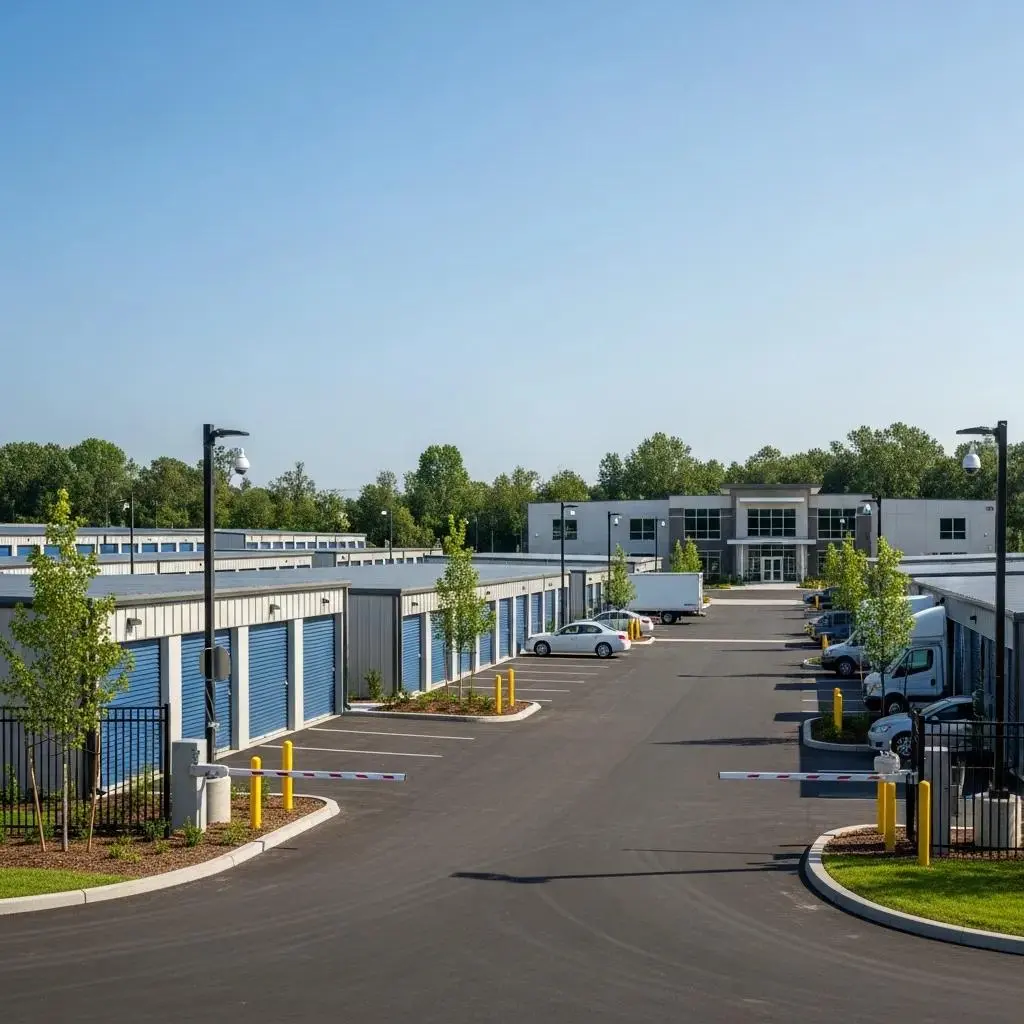
When it comes to storage solutions, understanding the differences between short-term and long-term storage is crucial for making informed decisions. Each option serves distinct needs, whether you’re moving, renovating, or simply need extra space.
The goal here is to clarify the key differences, benefits, and considerations for choosing the right storage solution for your personal or business needs.
You’ll have a clearer understanding of which storage option aligns best with your requirements. Indeed, self-storage units have become an essential tool for managing personal belongings during significant life changes and for addressing the common issue of household clutter.
What Are the Key Differences Between Short-Term and Long-Term Storage?
Short-term and long-term storage differ primarily in duration, contract flexibility, and security features. Short-term storage is best for temporary needs, like moving house or home renovations.
Long-term storage is designed for items you want stored safely for an extended period. Understanding these differences can help you choose the right option for your situation.
Storage Duration and Contract Flexibility Options
Short-term storage contracts usually range from a few days to a few months, offering flexibility for those with temporary needs.
In contrast, long-term storage contracts can extend for several months to years, often providing lower monthly rates for extended commitments. This flexibility allows users to select a plan that best fits their timeline and budget.
Expected Storage Security and Insurance Features
Security features are essential in both short-term and long-term storage. Short-term storage units often include basic security measures such as gated access and surveillance cameras.
Long-term storage facilities may offer enhanced security features, including climate control and insurance options to protect your belongings. Understanding these features can help you make a more informed decision about where to store your items.
What Are the Benefits of Short-Term Storage Rental Options?
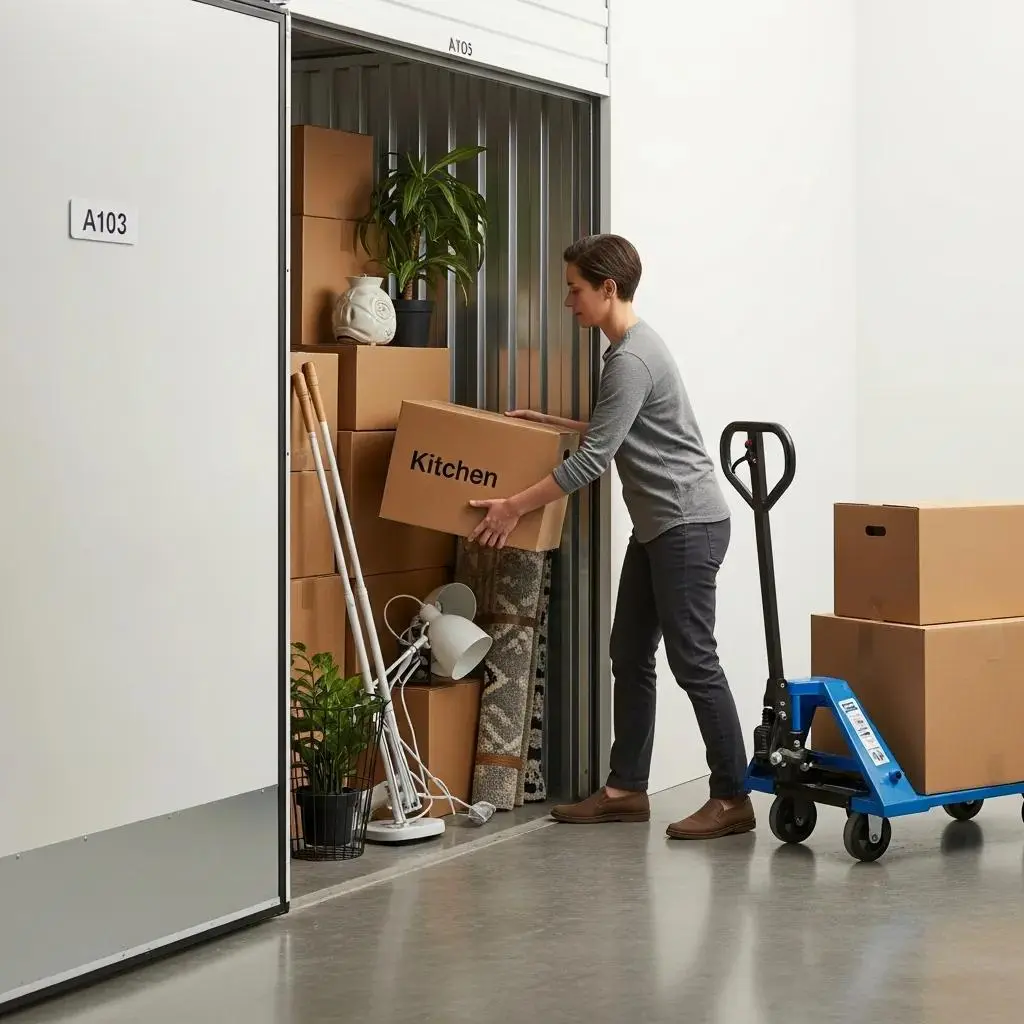
- Flexible for transitions: Ideal when you’re between homes, renovating, downsizing, waiting on a completion date, or handling a short-term work move.
- Quick access when you need it: You can keep essentials close and retrieve items without unpacking an entire house or cluttering your temporary place.
- Declutters fast: Clears rooms so builders can work, viewings can happen, or you can stage a property without living around boxes and furniture.
- Better protection than “storing at a friend’s”: Purpose-built units reduce risk of damage from damp corners, pests, or poor stacking in garages and spare rooms.
- Security features: Many sites use CCTV, gated entry, alarms, and on-site staff, which is usually safer than leaving items in a van or unsecured space.
- Insurance options: Short-term storage often includes or offers cover, so you’re not gambling your furniture and valuables on “hopefully nothing happens.”
- Cost-effective for short periods: You pay only for the time and space you need, which can be cheaper than renting extra rooms or rushing a move.
- Convenient add-on services: Providers like us, Stokes Removals and Storage, can combine collection, secure insured storage, and delivery, simplifying the whole transition.
Short-Term Storage for Moving or Renovations
Short-term storage is particularly beneficial during moving or renovation projects. It allows you to declutter your space, making the process smoother and more organized. For instance, you can store furniture and boxes in a secure unit while your home is being renovated, ensuring that your belongings are safe and out of the way.
Safety and Cover for Short-Term Storage
Security measures in short-term storage units often include surveillance cameras, gated access, and individual locks. Many facilities offer insurance options to cover potential damages or losses, providing an extra layer of protection for your items. This combination of security features can help keep your belongings safe during their temporary stay.
Why Choose Long-Term Storage: Advantages and Cost Efficiency?
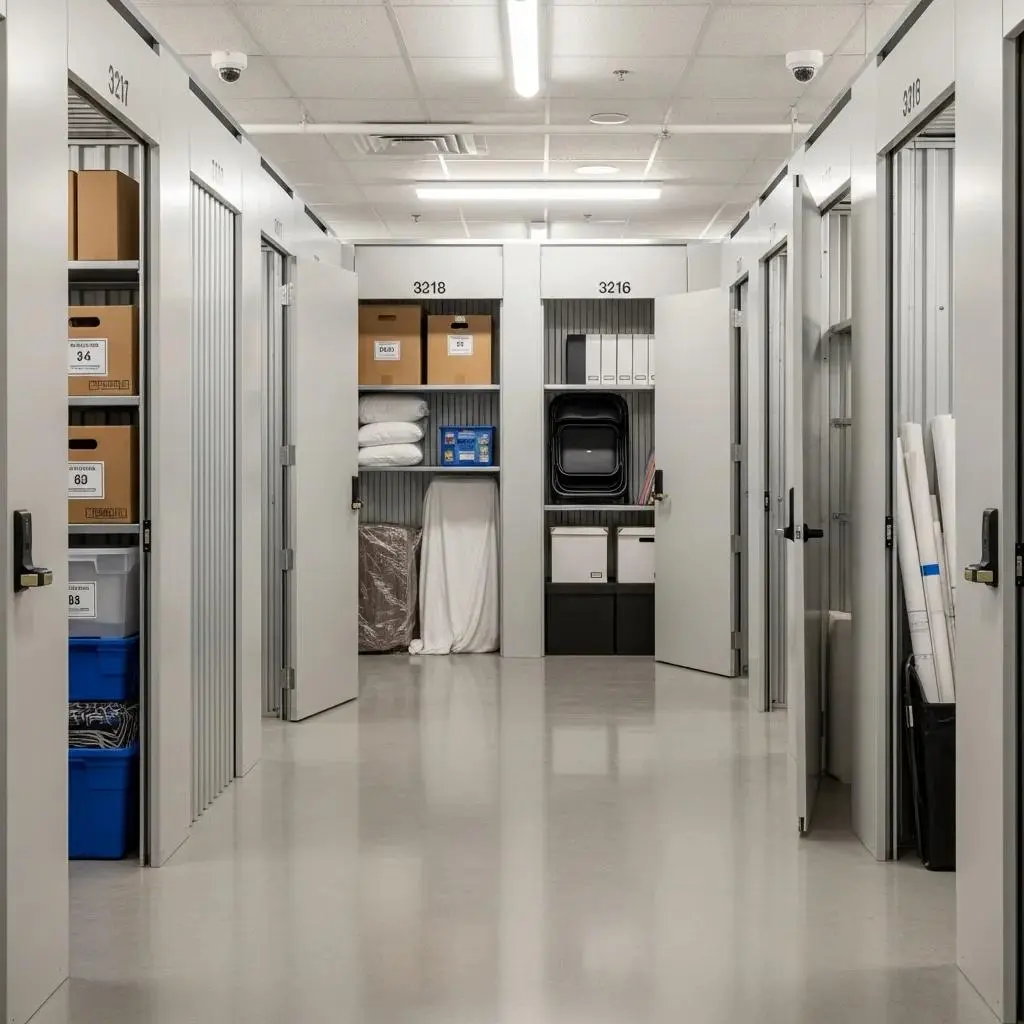
Long-term storage solutions are ideal for individuals and businesses looking to store items for extended periods. The advantages include cost efficiency, flexibility in contracts, and enhanced security features.
- Cost Efficiency: Long-term storage often comes with lower monthly rates compared to short-term options, making it a budget-friendly choice for those needing to store items for longer durations.
- Long-Term Benefits: With long-term storage, you can enjoy the peace of mind that comes from knowing your belongings are secure for an extended period.
- Security Features: Long-term storage facilities may offer advanced security measures, such as climate control and CCTV monitoring, which can help keep your items well-protected. Features vary by provider.
Flexible Long-Term Storage Pricing
- Long-term storage facilities often provide flexible contract options, allowing you to choose the duration that best fits your needs.
- Pricing models can vary, with many facilities offering discounts for longer commitments.
- This flexibility makes it easier to find a solution that aligns with your budget and storage requirements.
Security Benefits of Long-Term Storage
- Security is a top priority for long-term storage facilities.
- Some facilities offer climate-controlled units to protect sensitive items from temperature and humidity changes.
- Surveillance systems (often CCTV) help monitor the site and deter theft or unauthorized access.
- These measures help keep belongings safe and in good condition throughout the storage period.
How to Select the Right Storage Solution for Your Business or Personal Needs in Leicestershire
Choosing the right storage solution involves considering several factors, including access frequency, security level, and cost. Understanding these elements can help you make an informed decision that meets your specific needs.
Choosing Between Short-Term and Long-Term Storage
- Access Frequency: If you need regular access to your items, short-term storage may be more suitable.
- Security Level: Evaluate the security features of each facility to help ensure your belongings are protected.
- Cost Comparison: Compare the costs of short-term versus long-term options to find the most budget-friendly solution.
Trusted Insured Storage Facilities in Leicestershire
In Leicestershire, at Stokes Removals and Storage, we provide short-term and long-term storage at our facility in Wigston, Leicester. Our facilities are equipped with secure, alarmed storage monitored by CCTV, and insurance is included in unit rental.
Whether you need temporary space during a move or a long-term solution for your business, choose based on your timeline. Match access and unit size to how you’ll use storage.
Your Next Step: Storage That Fits
Understanding the differences between short-term and long-term storage solutions empowers you to make informed decisions tailored to your needs. Each option offers unique benefits, from flexibility and quick access to enhanced security and cost efficiency.
By evaluating your specific requirements, you can select the ideal storage solution that aligns with your lifestyle or business demands. Explore our services at Stokes Removals and Storage to find the perfect fit for your storage needs today.
Frequently Asked Questions
What items are best suited for short-term storage?
Short-term storage suits items you’ll need soon or want easy access to. Examples include furniture during renovations, boxes during a move, seasonal décor, and student belongings between semesters. Choose items based on access frequency, value, and whether you can safely store them without climate control.
How can I prepare my items for long-term storage?
Clean and fully dry everything to prevent mold, odors, and pests. Pack in sturdy labeled boxes, protect fragile items with wrap, and disassemble furniture to save space. Use climate control for electronics, antiques, photos, documents, and anything sensitive to heat or humidity.
How do I choose the right size storage unit?
Make a quick inventory and estimate how much space your items will take. Use the facility’s size guide, and plan for walkways so you can access items without unloading everything. If you’ll add items later, go slightly larger to avoid tight stacking and damage.
What should I consider when comparing storage facilities?
Compare security (CCTV, gated access, lighting), location, pricing, and contract flexibility. Check cleanliness, access hours, loading areas, and whether climate control is available if needed. Read reviews and confirm insurance terms plus any hidden fees (lock charges, admin fees, late fees).