

Moving fragile and valuable items can be stressful. In this guide, we offer clear, practical recommendations for packing, transporting, and insuring delicate belongings so you can reduce risk and help ensure your valuables arrive intact.
It covers essential packing techniques, transport methods, and insurance options to make the process more secure and manageable, whether you are moving locally or to another area in the UK.
What are Expert Packing Techniques?
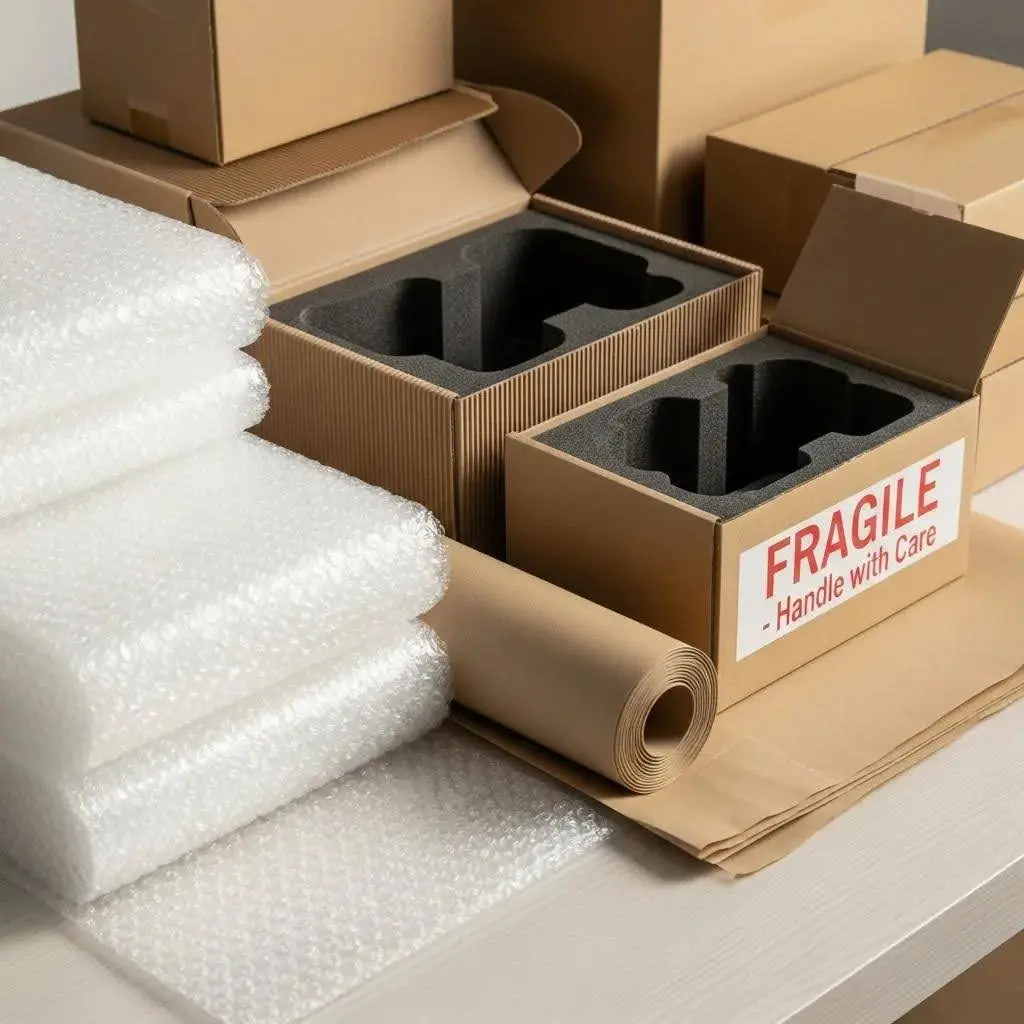
Protecting fragile items starts with the right materials and methods. Choose quality bubble wrap, packing paper, and sturdy boxes made for delicate goods. Wrap each item individually to cushion shocks and prevent contact, and clearly label boxes to indicate contents and fragility so handlers treat them appropriately.
- Use High-Quality Packing Materials: Invest in bubble wrap, packing paper, and specialized boxes designed for fragile items.
- Wrap Each Item Individually: Ensure each fragile item has protective layers to absorb shocks and prevent breakage.
- Label Boxes Clearly: Use clear labels to show which boxes contain fragile items, helping movers handle them with care.
These practices protect your belongings and make unpacking at your new location easier.
How do Safe Transport Methods Work?
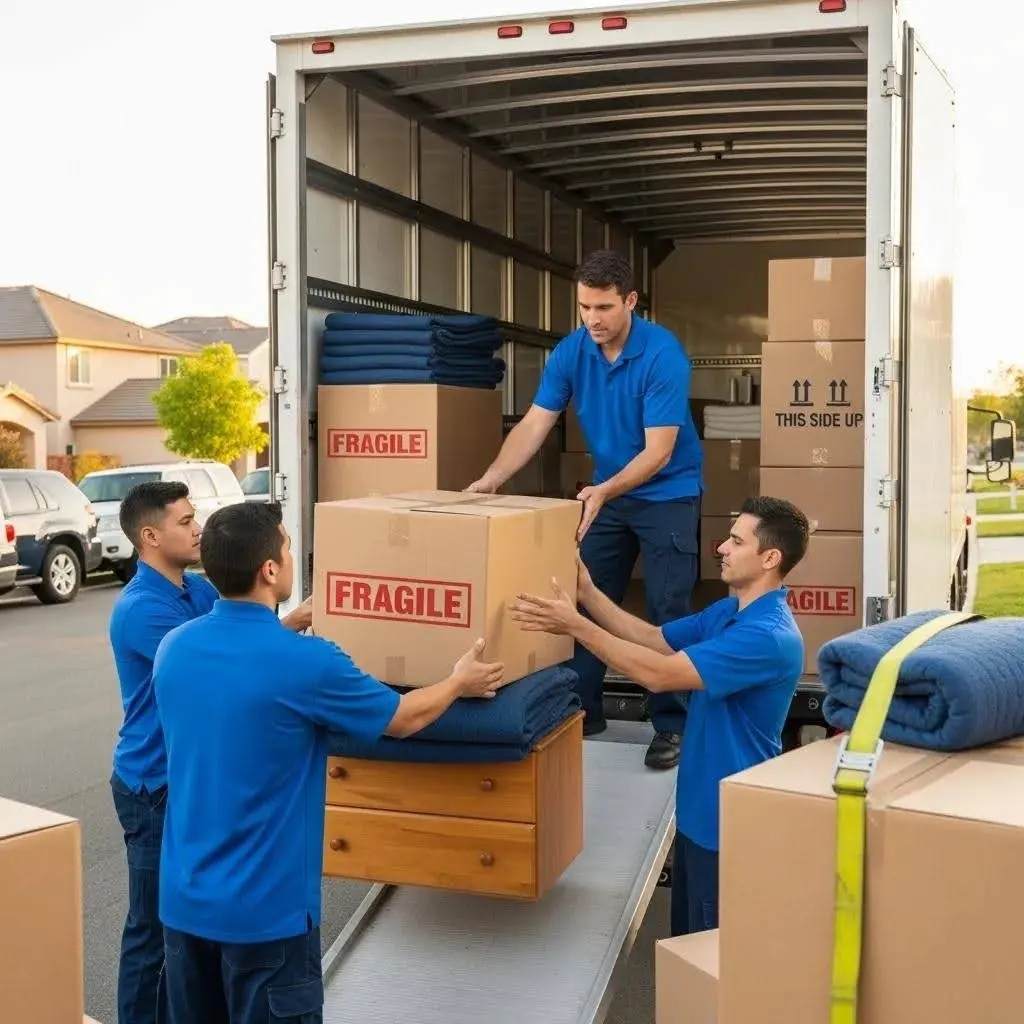
The transport method affects how safely fragile items arrive. Load fragile boxes above heavier items to avoid crushing, and choose routes that minimize bumps and jostling to keep goods stable. For heavier pieces, use dollies or hand trucks to reduce the risk of damage and injury.
- Load Fragile Items on Top: Place fragile items on top of heavier boxes to prevent crushing during transport.
- Choose Routes Wisely: Pick routes that reduce bumps and jostling so items remain stable in transit.
- Use Dollies or Hand Trucks: For heavy, fragile pieces, dollies or hand trucks lower the chance of accidents and damage.
Applying these methods will help improve the safety of fragile items during transit.
What are Insurance Options?
Insurance is an important consideration when moving fragile items. Consider moving insurance to cover loss or damage in transit. For high-value pieces, arrange specified-item insurance to protect their full value, and read policy terms carefully so you understand coverage limits and any exclusions.
- Consider Moving Insurance: This may cover loss or damage during transit and provide financial protection.
- Arrange Specified-Item Insurance: For high-value items, specified-item insurance may cover the declared or agreed value, so you can be compensated if they are damaged.
- Understand the Terms of Coverage: Familiarize yourself with your policy’s specifics so you know what is covered and any exclusions.
Stokes Removals and Storage provides professional moving services with insurance support and packing options for fragile and high-value items, helping to protect your valuables throughout the move.
Stokes Removals: Reliable Moving Support You Can Count On
At Stokes Removals, we specialize in the careful handling and transportation of fragile and valuable items. We understand the unique challenges involved in moving delicate belongings, and our team is dedicated to providing expert packing, secure transport, and comprehensive insurance options tailored to your needs.
Our commitment is to ensure your valuables arrive safely and intact, giving you peace of mind throughout the moving process.
We use only high-quality packing materials and proven techniques to protect each item individually. Our experienced movers handle your possessions with the utmost care, loading fragile items strategically to prevent damage.
Additionally, we offer flexible insurance plans, including specified-item coverage for high-value pieces, so you can be confident that your belongings are fully protected.
Frequently Asked Questions
What types of items are considered fragile and valuable?
Fragile and valuable items typically include glassware, ceramics, antiques, electronics, artwork, and heirlooms. These items are often delicate and can easily break or sustain damage during a move. It’s essential to identify these items before packing to ensure they receive the appropriate care and protection. Additionally, items with significant monetary or sentimental value should be treated with extra caution, as their loss or damage can be particularly distressing.
How can I ensure my fragile items are insured during the move?
To ensure your fragile items are insured during a move, first, check with your moving company about their insurance policies. Many companies offer basic coverage, but for high-value items, consider purchasing additional specified-item insurance. This type of insurance can cover the declared or agreed value of specific items. Always read the policy details carefully to understand coverage limits, exclusions, and the claims process, ensuring you have adequate protection for your valuables.
What should I do if an item gets damaged during the move?
If an item gets damaged during the move, the first step is to document the damage with photographs and notes. Contact your moving company immediately to report the issue, as most companies have a claims process in place. Provide them with the necessary documentation, including your insurance policy details. Depending on the coverage, you may be eligible for compensation or repair costs. Always keep records of your communication for reference.
Are there specific packing techniques for different types of fragile items?
Yes, different types of fragile items require specific packing techniques. For example, glass items should be wrapped in bubble wrap and packed in boxes with dividers to prevent movement. Electronics should be packed in their original boxes if available, or cushioned with foam. Artwork should be protected with corner protectors and packed flat. Understanding the unique needs of each item type will help ensure they are adequately protected during the move.